
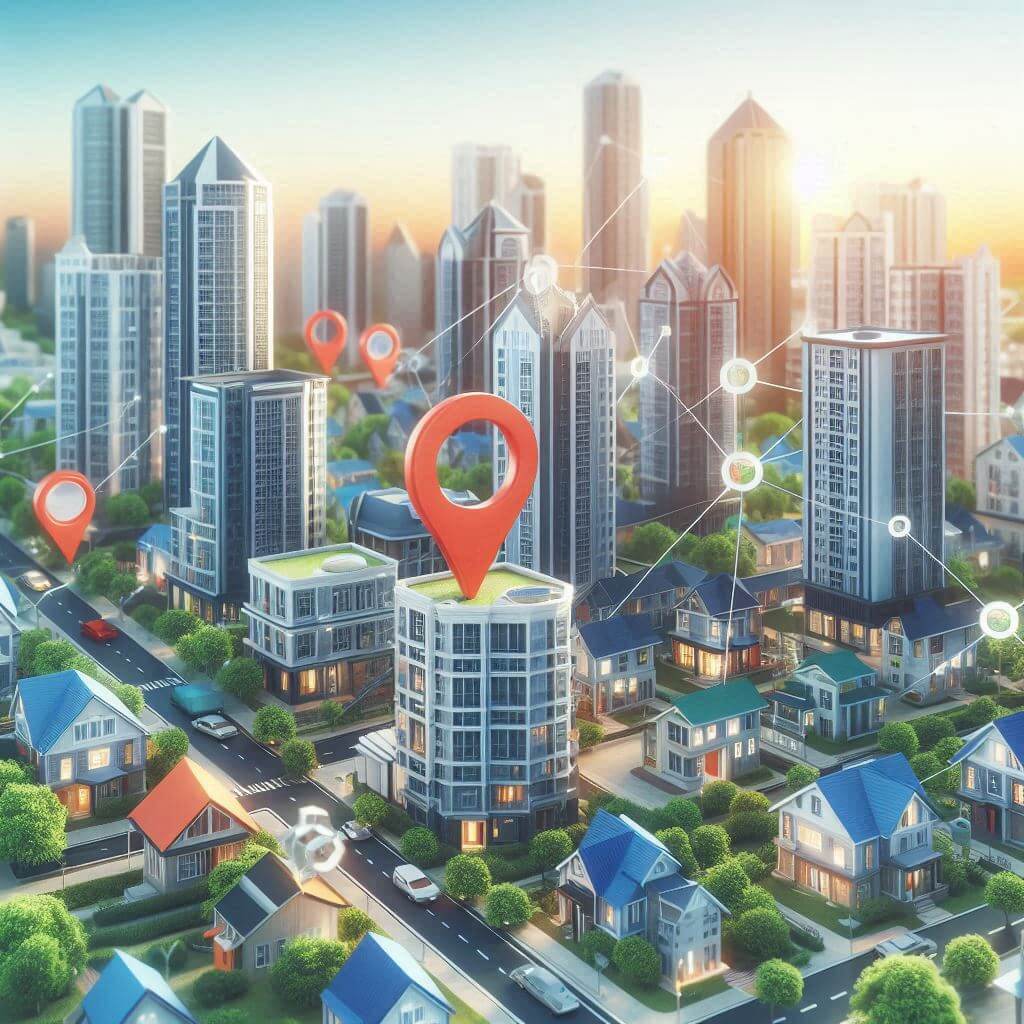
Imagine hiring a web developer and creating a fully functional website for your apartment community, so you can start to gain leads online. You notice after a couple of months that your website is not bringing in any prospects but you’ve already spent hundreds on making sure your web pages were professional and easy to follow for people to contact you and schedule a tour. Before potential renters visits your website they have to be able to find your site. They do this unknowingly through Local SEO for your apartment community.
Even the best property management websites require this step.
What is Local SEO?
Local SEO (search engine optimization) is the process of making your apartment community visible in local search results. It ensures that when someone searches for terms like “apartments near me” or “2-bedroom apartment in Baltimore”, your property shows up in those results. Simply put: Local SEO connects renters to your community faster.
How Does Local SEO Benefit Property Managers and Multifamily Owners?
For property managers and multifamily owners, local SEO means more qualified leads with less effort. A well-optimized listing on places like Google and Bing boosts visibility, drives website visits, and generates more scheduled tours without increasing ad spend. Instead of spending hours on manual outreach, SEO brings prospective tenants directly to you.
Getting Started with Local SEO
Follow these steps to build a strong foundation:
1. Claim and Verify Your Listing
- Start with Google Business Profile (GBP) — the #1 platform renters use when searching.
- Use a listings management platform (like Yext or Moz Local) if you oversee multiple properties.
- Verification (via live video, postcard, or other methods) proves to Google that you are the legitimate manager or owner.
2. Fill Out Every Detail Accurately
Go through each of the section on in the listing manager to ensure all details are filled out thoroughly and correctly:
- Business Name & Address: Match your business license and website exactly to avoid confusion.
- Phone Number: Use a local phone number (preferably the one that links to the facility) when possible for better ranking.
- Office Hours: Keep them up-to-date, including holiday hours.
- Direct Link: Add a booking or “Schedule a Tour” link for easy conversions.
- Descriptions:
- Short description: 1–2 sentences with your community’s name, location, and standout amenities.
- Long description: 150–300 words, SEO-optimized with relevant keywords like “apartments in Towson, MD” “pet-friendly apartments,” or “luxury 2-bedroom apartments.” Write for humans first but integrate keywords naturally.
3. Upload High-Quality Photos to Showcase Amenities
- Show every angle: exterior, lobby, amenities, model units, floor plans.
- Categorize: 1-bedroom, 2-bedroom loft, fitness center, pool area, etc.
- Keep images updated seasonally to reflect an active community.
4. Link Your Online Presence
- Add links to your website, leasing portal, and social channels.
- Consistency across platforms (same name, phone, and address) builds Google’s trust.
Keeping the profile updated is crucial to the success of your listing and getting people that are actively looking for an apartment to come across your listing. Other factors like star rating, reviews, and online reputation play a factor in where you rank among your competitors… but for now, start with giving people in your neighborhood an opportunity to find your community.
